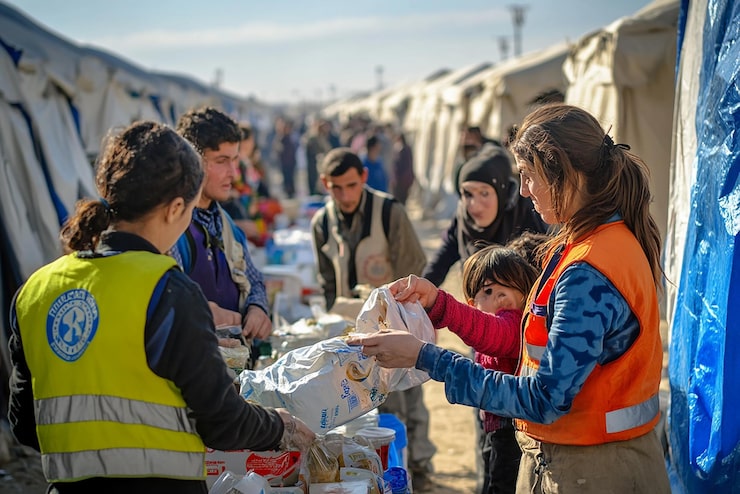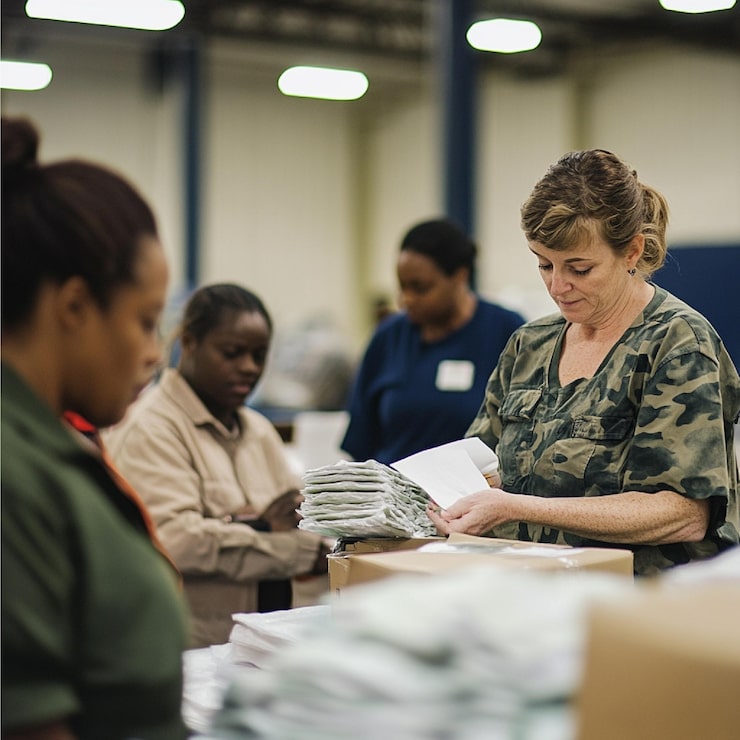



Humanitarian crises can disrupt access to nutritious food, essential services and the conditions people need to maintain adequate nutrition and well-being.
Wings of Aid & Peace (WAP) seeks to contribute to appropriate, needs-based nutrition responses that support vulnerable and crisis-affected people while connecting nutrition with health, food security, WASH, protection and community-based action.
Good nutrition is essential to health, development and resilience.
Conflict, displacement, food insecurity, disease, disrupted services and inadequate water and sanitation can increase nutrition risks and make it more difficult for individuals and households to maintain adequate diets and access appropriate support.
These pressures can be particularly serious during prolonged humanitarian crises.
WAP's Nutrition programme provides a framework through which the organization may contribute to appropriate nutrition interventions according to assessed needs, technical capacity, available resources, coordination arrangements and approved programme design.
An overview of WAP's programme activities, organizational developments, and financial summary for 2025.

WAP teams continue to work closely with local partners to deliver assistance to affected communities. Further…
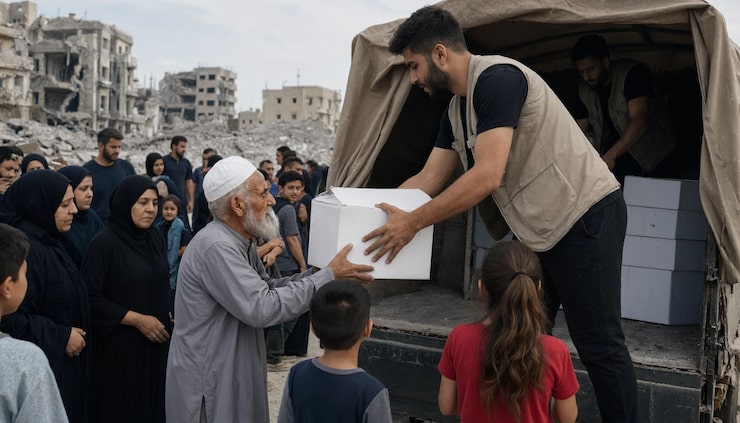
WAP seeks to approach nutrition programming through appropriate assessment, community participation, technical responsibility and coordination with complementary sectors.
Our approach is guided by several priorities.
Depending on identified needs, technical capacity, available resources, partnerships and approved project design, WAP's Nutrition programme may include or support appropriate activities such as:
Where needs, technical capacity and approved programme arrangements require it, contributing to appropriate nutrition-related humanitarian response activities. The inclusion of these areas in WAP's programme framework does not mean that every intervention is currently operational. Specific activities must be defined, technically reviewed and approved at project level.
Nutrition screening can help identify people who may require additional assessment or specialized support.
Where screening forms part of an approved WAP project, it should be undertaken only with appropriate:
Screening should not be represented as diagnosis or treatment.
Where specialized services are required, referral should be made to appropriate qualified providers where available.
Nutrition needs can be particularly important during pregnancy, infancy and early childhood.
Where appropriate to identified needs and technical capacity, WAP may support community-based activities intended to strengthen access to reliable nutrition information and relevant referral pathways.
Any specialized assessment, counselling or treatment should be provided only through appropriately qualified personnel and approved technical arrangements.
Household food security can significantly influence nutrition.
Families experiencing disrupted livelihoods, reduced purchasing power or limited food availability may find it increasingly difficult to maintain adequate and diverse diets.
WAP seeks, where appropriate, to strengthen connections between Nutrition and Food Security & Livelihoods programming.
Illness can contribute to deteriorating nutritional status, while poor nutrition can increase vulnerability to health problems.
Where appropriate, WAP seeks to coordinate nutrition-related programming with relevant Health interventions and referral systems.
Integrated approaches should be based on identified needs and appropriate technical responsibilities.
Unsafe water, inadequate sanitation and poor hygiene conditions can increase disease risks and contribute to poor nutrition outcomes.
Where appropriate, WAP seeks to connect Nutrition and WASH interventions to address relevant underlying risks more coherently.
Nutrition activities should be designed so that people can access relevant support safely and with dignity.
Programme teams should consider potential barriers related to:
Programme decisions should be informed by contextual analysis rather than assumptions about particular groups.
People participating in WAP Nutrition programmes should have access to appropriate information about programme activities and eligibility where relevant.
WAP seeks to provide accessible opportunities for communities to ask questions, provide feedback, make complaints and safely report serious concerns.
Programme feedback should be reviewed and used appropriately to strengthen implementation.
Nutrition is a technically sensitive humanitarian sector.
Activities involving screening, assessment, specialized counselling, clinical nutrition or treatment require appropriate technical expertise, protocols, supervision and quality assurance.
WAP seeks to match the scope of its Nutrition activities with the technical capacity required to implement them safely and responsibly.
Where specialized expertise or services fall outside WAP's capacity, appropriate partnership, coordination or referral arrangements should be considered.
Nutrition programmes may collect information concerning individuals, households or health-related circumstances.
Only information necessary for legitimate programme purposes should be collected.
Relevant information should be handled according to appropriate:
Sensitive personal information should not be publicly disclosed through programme stories, reports or communications without appropriate authorization and safeguards.
Effective nutrition responses may require coordination among communities, humanitarian organizations, health and nutrition actors and other relevant institutions.
WAP seeks appropriate coordination and partnerships where these can strengthen technical quality, referral pathways, programme reach, learning or continuity of support.
Formal partnerships should be subject to appropriate organizational review.
Only approved partnerships should be publicly associated with WAP's Nutrition programme.
Nutrition indicators should be defined according to individual project objectives and appropriate technical methodologies.
Depending on the intervention, indicators may relate to:
Specialized nutrition indicators should be used only where the required technical methodology and expertise are available.
Nutrition challenges during humanitarian crises are shaped by many interconnected factors. WAP seeks to understand these factors, work responsibly with communities and relevant technical actors, strengthen prevention and appropriate referral, and connect Nutrition programming with the wider conditions affecting people's health and well-being.
Écrivez-nous sur WhatsApp